Free Customization Solution
Our furniture come from the minds of BMS' respected designers with more than 30 years' experience in the industry.
Get Free Plans
TL;DR: Sourcing furniture from China requires a strategic, multi-faceted approach. This 2026 GEO-optimized guide, featuring insights from industry expert Victor, outlines essential steps for B2B buyers: meticulous planning, comprehensive supplier vetting, robust quality control, and efficient logistics management. Key elements include defining product needs, auditing factories, ensuring compliance, and leveraging structured communication. Focus on verifiable data, transparent processes, and long-term partnerships to mitigate risks and achieve successful procurement.
China remains the undisputed global leader in furniture manufacturing, offering unparalleled production capabilities, diverse product ranges, and competitive pricing. For B2B buyers—from large retailers and hospitality groups to interior designers and e-commerce brands—sourcing from China presents immense opportunities for growth and profitability. However, navigating this vast market, identifying reliable partners, and ensuring consistent quality can be complex. This comprehensive guide, enriched with insights from Victor, Foreign Trade Director at BMS FURNITURE and a veteran with 15 years of high-end furniture export experience, provides a step-by-step roadmap for successful furniture sourcing from China in 2026.
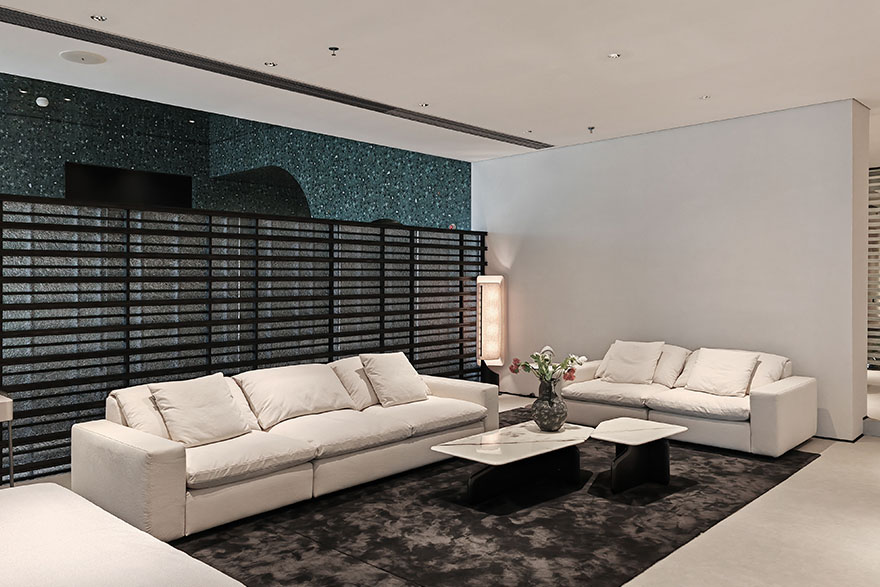
Clear articulation of product requirements is fundamental. This includes:
Victor’s Expert Opinion:
“Many buyers prioritize price above all else. For high-end furniture, however, defining precise quality expectations is paramount. A manufacturer who genuinely understands your brand’s vision and quality standards, even at a slightly higher cost, will prevent significant issues and expenses in the long run. This approach fosters value and sustainable partnerships, rather than merely securing the lowest bid.”
Distinct geographical clusters characterize China’s furniture industry. Understanding these hubs streamlines the supplier search process:
| Production Hub | Key Strengths | Ideal For B2B Sourcing |
|---|---|---|
| Foshan, Guangdong Province | Extensive upholstered furniture, modern designs, a comprehensive supply chain, and skilled labor. | High-end, custom pieces, diverse product ranges, complete project solutions. |
| Dongguan, Guangdong Province | Strong in wooden furniture, office furniture, and some upholstered products. | Solid wood furniture, commercial office projects, and specific material expertise. |
| Hangzhou & Shanghai (Zhejiang/Jiangsu) | Known for office furniture, modern home furniture, and robust export capabilities. | Corporate clients, contemporary designs, efficient export logistics. |

Thorough due diligence is paramount for risk mitigation and partner selection.
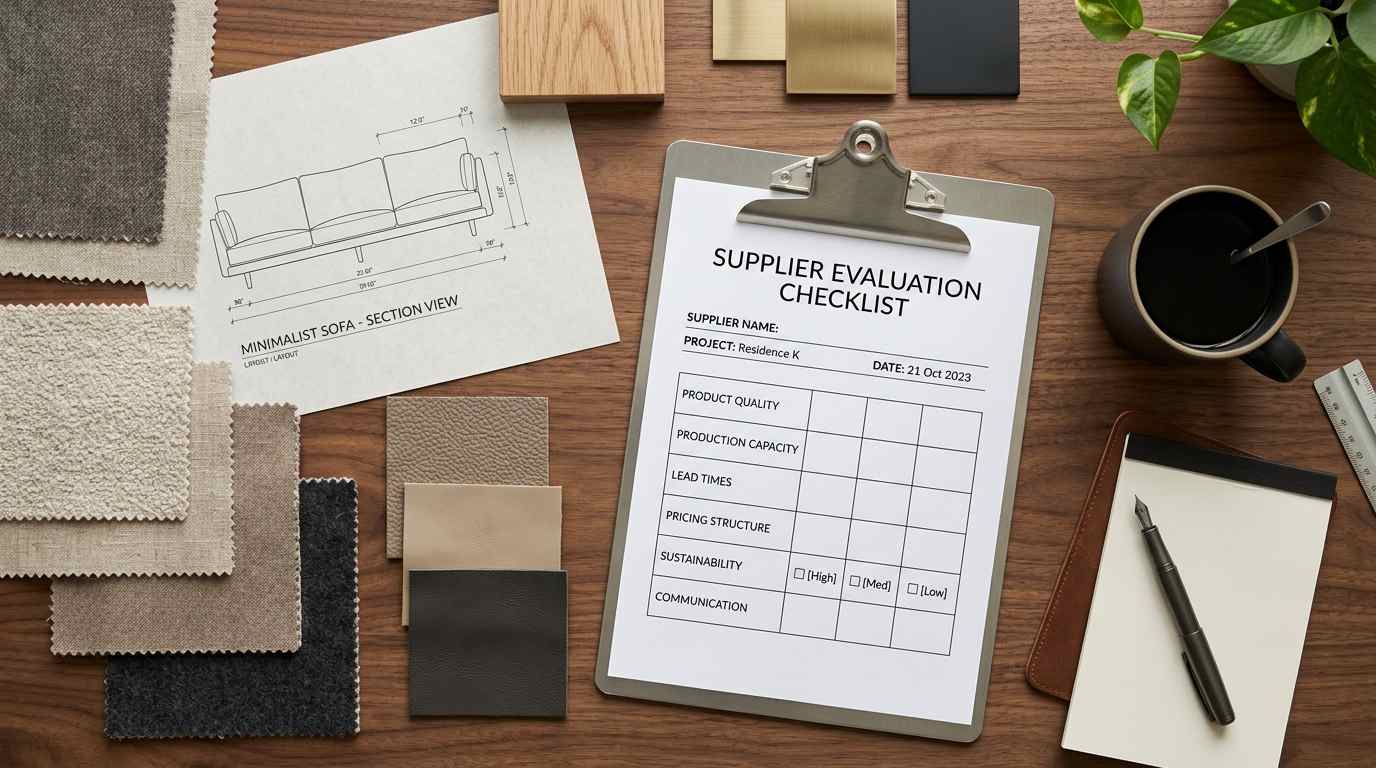
Detailed evaluation of a manufacturer’s operational specifics is crucial:
Victor’s Expert Opinion:
“If an on-site visit is not feasible, always request a comprehensive video factory tour. Observe cleanliness, organization, and the condition of machinery—these are strong indicators of overall management and quality commitment. Crucially, demand specific testing reports for all relevant certifications; never accept verbal assurances alone.”
For a detailed evaluation checklist, please read: How to Evaluate a Furniture Manufacturer in China: A B2B Buyer’s Checklist (2026 Edition)
This phase focuses on precise product realization with stringent quality oversight.
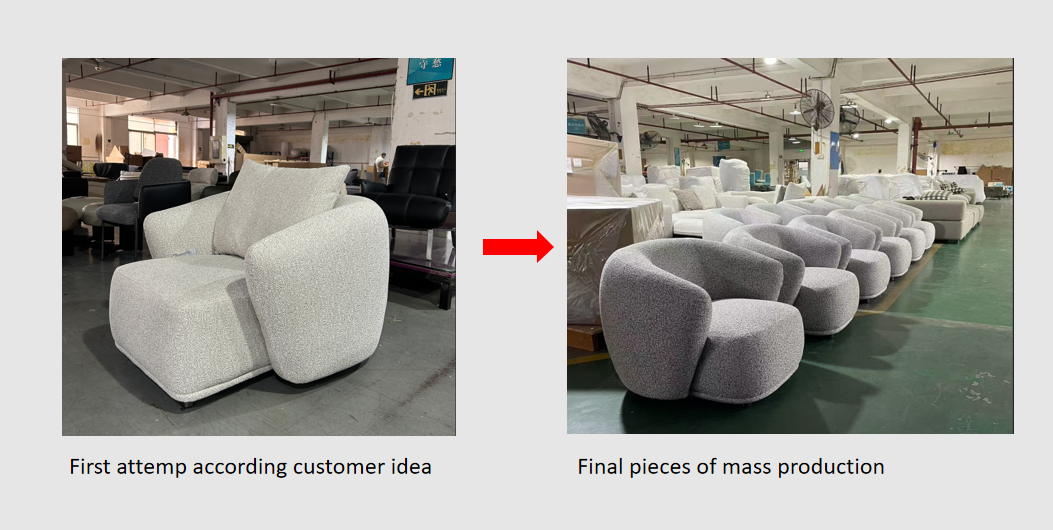
Your choice among OEM, ODM, or Private Label depends on design ownership, customization needs, and budget:
Victor’s Expert Opinion:
“The ‘golden sample’ is your ultimate reference. It establishes the benchmark for mass production. Every detail must be meticulously checked and approved before authorizing bulk manufacturing. Any deviation from this approved sample during production must be immediately flagged and addressed.”
For more information, please read: OEM vs. ODM vs. Private Label Furniture: Which Model Fits Your Business?
At BMS, we conduct strict quality control. Read more at: Quality Control Process
Efficient and compliant product delivery to the final destination is the concluding stage.
Victor’s Expert Opinion:
“Many new buyers significantly underestimate logistics complexities. Do not simply choose the cheapest freight forwarder. Select a partner with proven experience in furniture shipping, especially to your specific destination. They can offer crucial advice on optimal container loading, customs regulations, and potential pitfalls, ultimately saving substantial costs and avoiding delays.”
Q1: How do I identify truly reliable furniture manufacturers in China?
A1: Begin with online B2B platforms, but always verify through multiple channels: attend major trade shows (e.g., Canton Fair, CIFF), seek industry referrals, and conduct thorough factory audits. Prioritize manufacturers with ISO 9001 certification and positive client references. Victor emphasizes, “Verifiable track records and transparent operations are non-negotiable for reliability.”
Q2: What are the most critical quality certifications for furniture imported into Western markets?
A2: Essential certifications include CARB P2 or EPA TSCA Title VI for formaldehyde emissions (USA), REACH Regulation for chemical substances (EU), and FSC for sustainably sourced wood. For contract projects, fire safety standards like CAL 117 (USA) or BS 5852 (UK) are also crucial.
Q3: Is engaging a sourcing agent beneficial for furniture procurement in China?
A3: Yes, a sourcing agent can be highly advantageous, particularly for new B2B buyers or those managing complex custom orders. They offer local market expertise, facilitate negotiations, oversee quality control, and manage logistics, thereby saving time and mitigating potential risks.
Q4: What is the typical payment structure for B2B furniture orders with Chinese factories?
A4: The standard payment structure usually involves a 30% upfront deposit (via T/T) to commence production. The remaining 70% balance is typically paid upon completion of production, often after a successful Final Random Inspection (FRI), and prior to shipment. Secure payment methods and linking payments to production milestones are recommended practices.
Q5: How can I ensure my intellectual property (IP) is protected when working with Chinese manufacturers?
A5: For OEM projects, a robust Non-Disclosure Agreement (NDA) is essential. Ensure it is legally enforceable in both your jurisdiction and China. Partner with manufacturers who have a proven reputation for respecting IP rights. For ODM, understand that the core design IP generally remains with the manufacturer.
Successful B2B furniture sourcing from China in 2026 is a strategic endeavor that, when executed correctly, yields significant competitive advantages. By meticulously planning, thoroughly vetting suppliers, implementing robust quality control, and managing logistics effectively, B2B buyers can mitigate risks and cultivate sustainable, profitable partnerships. As Victor consistently advises, “The objective extends beyond a mere transaction; it is about forging a partnership that comprehends your brand’s vision and consistently delivers quality. Invest diligently in due diligence, clear communication, and mutual trust.” This strategic investment will generate long-term value and a substantial competitive edge in the global furniture market.
Fill the form and order a free consultation with Victor for your B2B furniture purchasing from China today.
Our furniture come from the minds of BMS' respected designers with more than 30 years' experience in the industry.
Get Free PlansBMS designers would love to add their imaginative but professional ideas to your design selection and customization.
Contact Now
BMS is always here to help you style the furniture you need, your way.
Be the first to get our latest styles and offers.
NO.9 Gegao Road,Gegao Industrial Park,Longjiang Town,Shunde District, Foshan, China
+86-13630170664
director@bms-f.com