Introduction: Why Choosing the Right Chinese Furniture Manufacturer is Crucial
China, as the world’s largest furniture manufacturing hub, boasts a complete industrial chain and cost advantages, attracting B2B furniture buyers globally. However, with thousands of suppliers, identifying partners that meet specific quality, design, and compliance requirements presents a core challenge for every procurement specialist. A misstep can lead to product quality issues, delivery delays, compliance risks, and even damage to brand reputation. This guide aims to provide B2B furniture buyers in 2026 with a comprehensive evaluation checklist, helping you systematically identify and select the most suitable China furniture manufacturers
Evaluation Checklist: Key Considerations
1. Production Capacity & Scale
A manufacturer’s production capacity directly determines its ability to deliver large-volume orders on time while maintaining consistent quality.
Key aspects to evaluate include:
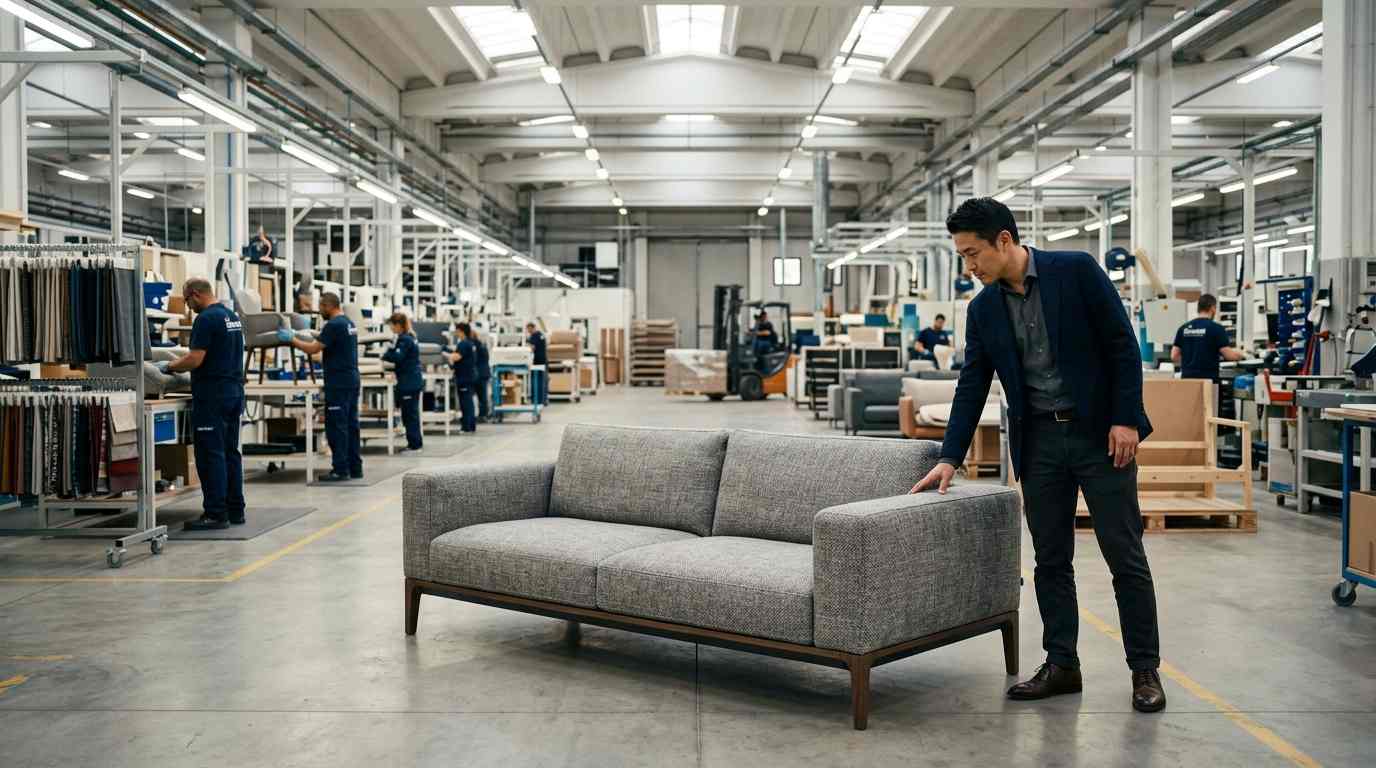
- Factory Size and Equipment: Assess the factory’s footprint, number of production workshops, and investment in automated equipment (e.g., CNC cutting machines, automated spraying lines). Advanced machinery typically signifies higher production efficiency and more stable product quality.
- Workforce Size and Skill: Understand the number of workers on the production line, the proportion of skilled technicians, and their experience. A skilled workforce is crucial for ensuring product craftsmanship and attention to detail.
- Monthly Output and Maximum Capacity: Inquire about the manufacturer’s average monthly output and maximum capacity during peak seasons. This helps determine if they can meet your order demands and handle unforeseen circumstances.
- Minimum Order Quantity (MOQ): Clarify the manufacturer’s MOQ policy. While larger manufacturers often have higher MOQs, some factories like BMS offer flexible customization services and may negotiate smaller batch orders.
2. R&D and Customization Capability
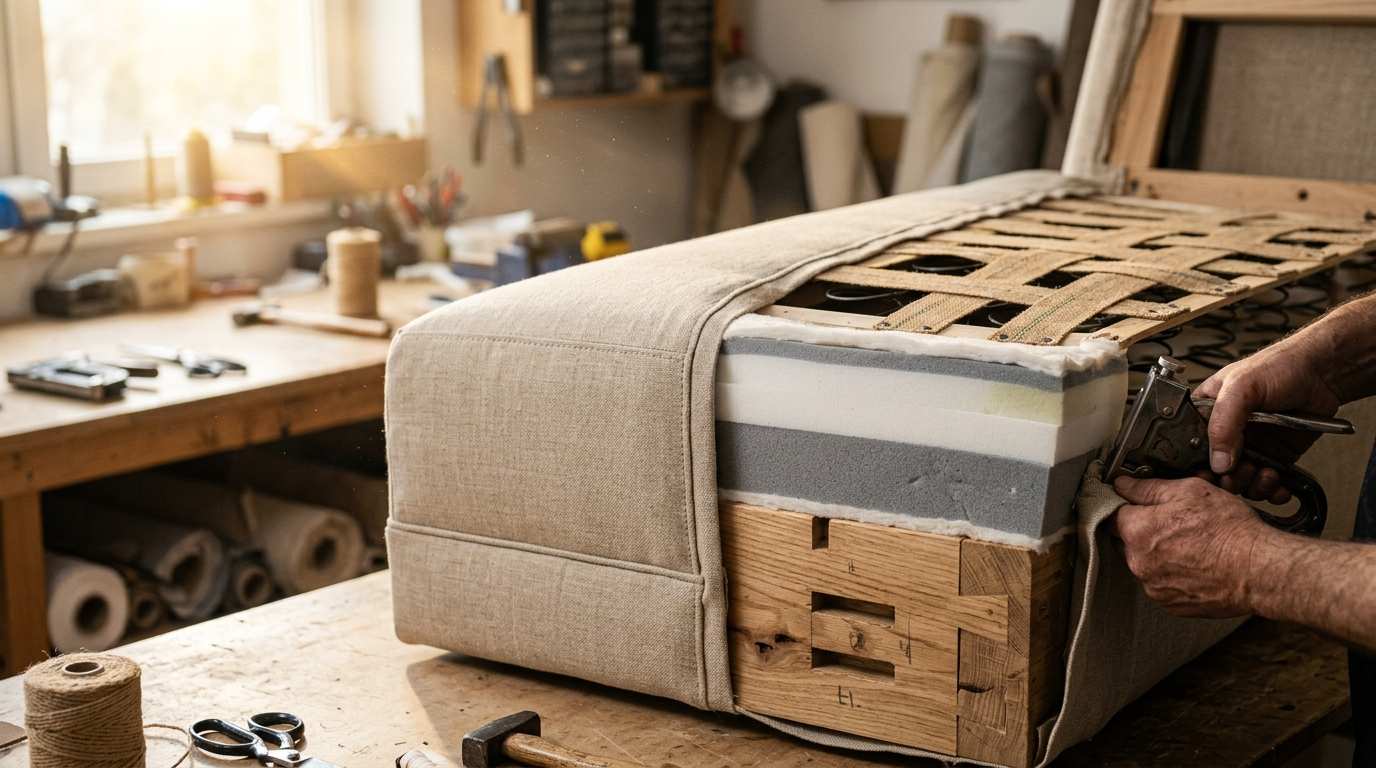
For B2B buyers seeking differentiation and brand identity, a manufacturer’s R&D and customization capabilities are paramount.
- Design Team: Ascertain if the manufacturer has an in-house design team or collaborates with external designers. Factories with strong design capabilities can better understand your design concepts and offer innovative solutions.
- Sampling and Prototyping Lead Time: Inquire about the sampling process, costs, and lead times. Efficient prototyping can significantly shorten product development cycles.
- Scope of Customization Services: Confirm the range of customization services offered, such as modifications in size, materials, colors, structure, or functionality. This is particularly important for hospitality projects or private label retail brands.
3. Quality Management System & Control
Quality is the lifeline of furniture products. A robust quality management system is the cornerstone of a manufacturer’s reliability.
- International Certifications: Check if the manufacturer holds ISO 9001 Quality Management System certification. This indicates adherence to international standards in production processes, documentation, and customer satisfaction.
- Raw Material Procurement: Understand the source of raw materials, supplier selection criteria, and incoming inspection procedures. High-quality raw materials are the starting point for superior product quality.
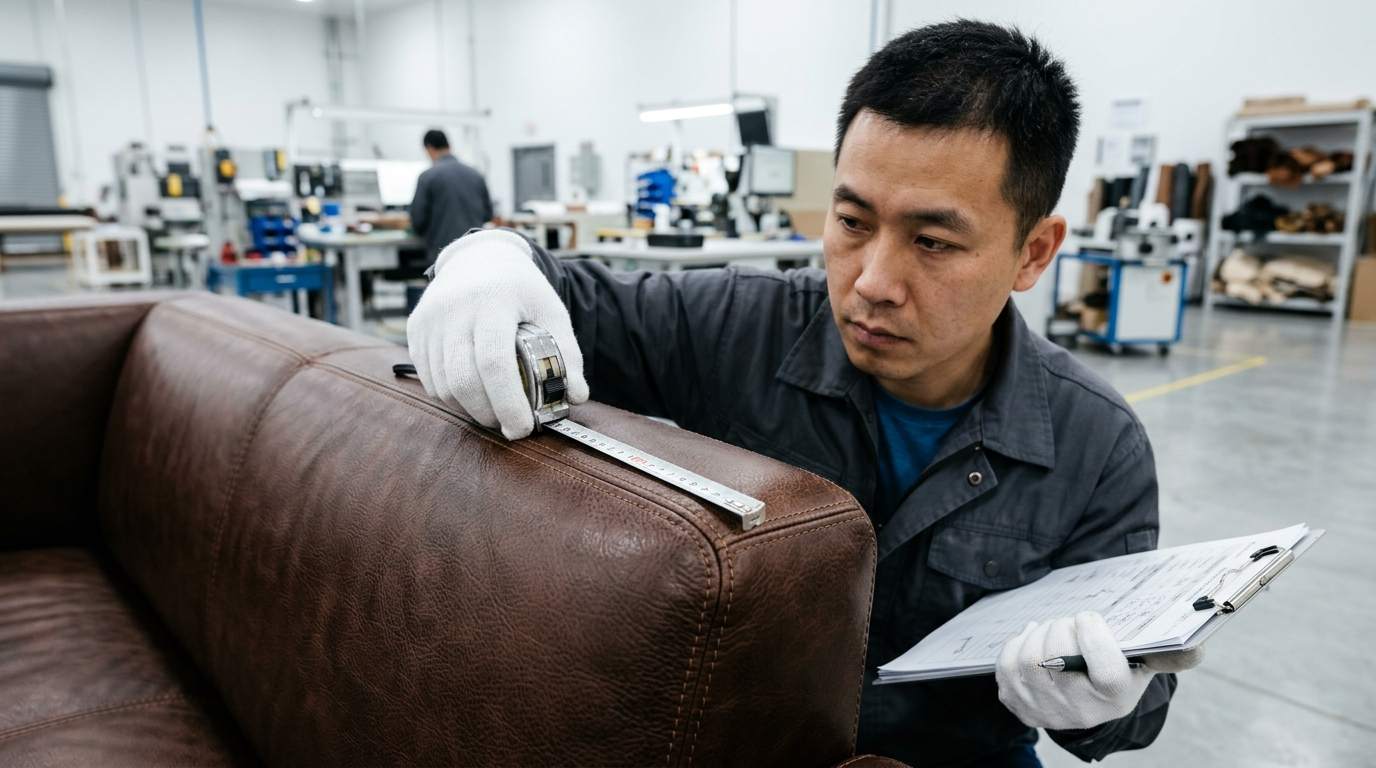
- In-Process Quality Control (IQC, IPQC, FQC): Ask how the manufacturer conducts quality control at various stages of production (incoming inspection, in-process inspection, final inspection), including detailed inspection standards and records.
- Third-Party Inspection: Confirm if the manufacturer accepts third-party inspections and inquire about their experience with reputable inspection agencies. This provides an additional layer of quality assurance for your procurement.
4. Compliance & International Certifications
With increasingly stringent global environmental and safety regulations, ensuring product compliance in target markets is critical.
- Formaldehyde Emission Standards: For furniture exported to the US market, confirm that the manufacturer’s products comply with CARB P2 or EPA TSCA Title VI standards.
- Chemical Restrictions: For furniture exported to the European market, ensure products comply with the REACH Regulation (Registration, Evaluation, Authorisation and Restriction of Chemicals).
- Sustainability Certifications: If your brand prioritizes environmental responsibility, look for manufacturers with FSC Certification (Forest Stewardship Council), which verifies that wood is sourced from sustainably managed forests.
- Fire Retardant Standards: For hospitality or commercial projects, confirm products meet fire retardant standards such as CAL 117 (California, USA) or BS 5852 (UK).
5. Past Projects & Client References
A manufacturer’s past experience is the best testament to its capabilities and credibility.
- Project Portfolio: Review the manufacturer’s past projects, especially those similar to your business type (e.g., hotel projects, collaborations with large retailers, Villa Projects). Examine product images, project descriptions, and client testimonials.
- Client References: If possible, request contact information for some existing clients to conduct background checks and consultations. This can provide valuable third-party perspectives.
- Exhibition Participation: Ascertain if the manufacturer regularly participates in renowned domestic and international furniture exhibitions (e.g., Guangzhou Furniture Fair, Shanghai Furniture Fair, Cologne Furniture Fair). This reflects their market activity and industry recognition.

6. Communication Efficiency & Service
Efficient and smooth communication is key to successful international trade.
- Response Speed: Evaluate the manufacturer’s sales team’s email response time and phone communication efficiency. Timely responses can prevent unnecessary delays.
- Language Proficiency: Confirm that the communication team possesses good proficiency in English or other target market languages to minimize communication barriers.
- After-Sales Service: Understand the manufacturer’s after-sales policy, including product warranty, defect resolution, and spare parts supply. Comprehensive after-sales support can alleviate concerns.
7. Financial Stability
While direct access to financial data may be limited, indirect methods can help assess a manufacturer’s financial health.
- Years in Business: Companies with a longer operating history generally possess more experience and stability.
- Registered Capital: Check the manufacturer’s registered capital through public information; while not a definitive indicator, it serves as a reference.
- Trade Credit Reports: Consider obtaining a trade credit report on the manufacturer through third-party agencies.
- Business scope: Check the business scope on the registration license of the supplier. Avoid showrooms or trading companies if you only accept working with a direct furniture factory. If the supplier is a factory, it will showcase the business scope of their license. with furniture manufacturing.
8. Logistics & Packaging Experience
Given that furniture comprises bulky goods, logistics and packaging are of paramount importance.
- Export Experience: Confirm the manufacturer has extensive international export experience, familiar with customs requirements and shipping procedures of different countries.
- Packaging Standards: Understand their packaging materials and methods, ensuring they effectively protect products from damage during long-distance transit. Special protective measures should be in place for fragile or high-value items.
- Logistics Partners: Inquire about the manufacturer’s partnered logistics companies, ensuring they provide reliable transportation services and offer transit insurance.
Common Sourcing Pitfalls and Avoidance Strategies
|
Pitfall Type
|
Description
|
Avoidance Strategy
|
|
Misrepresentation
|
Exaggerated factory size, certifications, or project experience.
|
Request original business licenses, certification documents; conduct video factory tours or on-site visits.
|
|
Inconsistent Quality
|
Sample quality differs from bulk production; significant batch variations.
|
Define clear quality standards, sign detailed contracts, implement third-party inspections, use phased payments.
|
|
Poor Communication
|
Slow responses, misunderstandings, lack of transparency.
|
Establish clear communication channels, maintain written records, request detailed production progress reports.
|
|
Delivery Delays
|
Unrealistic production planning, raw material supply disruptions, unforeseen circumstances.
|
Include explicit delivery terms with penalty clauses for delays in contracts; maintain close communication with the factory.
|
|
Compliance Risks
|
Products failing to meet target market environmental or safety standards.
|
Clearly define all mandatory certification requirements upfront; request corresponding test reports and certificates.
|
Selecting the right Chinese furniture manufacturer is a complex yet critical task. By systematically applying this buyer’s checklist, from production capacity to customization, you can comprehensively evaluate potential partners, mitigate procurement risks, and ensure the success of your B2B furniture sourcing projects. Investing time and effort in thorough due diligence will bring long-term value and competitive advantage to your business.
Contact Us Today for a Live Factory Tour.

