Free Customization Solution
Our furniture come from the minds of BMS' respected designers with more than 30 years' experience in the industry.
Get Free Plans
TL;DR: In 2026, global furniture trade demands stringent quality and compliance. This guide demystifies key standards like CARB P2/EPA TSCA Title VI (formaldehyde for US), REACH (chemicals for the EU), and FSC (sustainability). It also covers critical aspects like fire resistance, fabric performance, and lesser-known certifications like India’s BIS, providing B2B buyers with a comprehensive checklist to ensure product integrity and market access. Expert insights from Victor, Foreign Trade Director at BMS FURNITURE, highlight practical challenges and solutions.
The global furniture market in 2026 is characterized by increasingly stringent environmental, health, and safety regulations. For B2B buyers sourcing furniture from China, understanding and ensuring compliance with these diverse international standards is not merely a best practice—it’s a legal and reputational imperative. Failure to meet these benchmarks can lead to costly recalls, legal penalties, and irreparable damage to brand trust.
This comprehensive guide will demystify the most critical quality standards impacting furniture exports from China, offering practical insights for B2B buyers. We’ll delve into formaldehyde emission limits, chemical restrictions, sustainable sourcing, and other essential certifications, enriched by the practical experience of Victor, Foreign Trade Director at BMS FURNITURE, who brings 15 years of high-end furniture export expertise.
Formaldehyde is a common chemical used in wood-based products, but its emissions can pose health risks. Strict regulations are in place globally to limit its release. For furniture production, a lot of engineered wood, such as MDF, HDF, Plywood, solid wood plywood, particle board, all contain certain Formaldehyde due to the use of adhesive and lacquer/paint.
For the United States market, the primary regulations governing formaldehyde emissions from composite wood products are the California Air Resources Board (CARB) Airborne Toxic Control Measure (ATCM) Phase 2 (CARB P2) and the U.S. Environmental Protection Agency (EPA) Toxic Substances Control Act (TSCA) Title VI. EPA TSCA Title VI largely harmonized with CARB P2, making it a national standard.
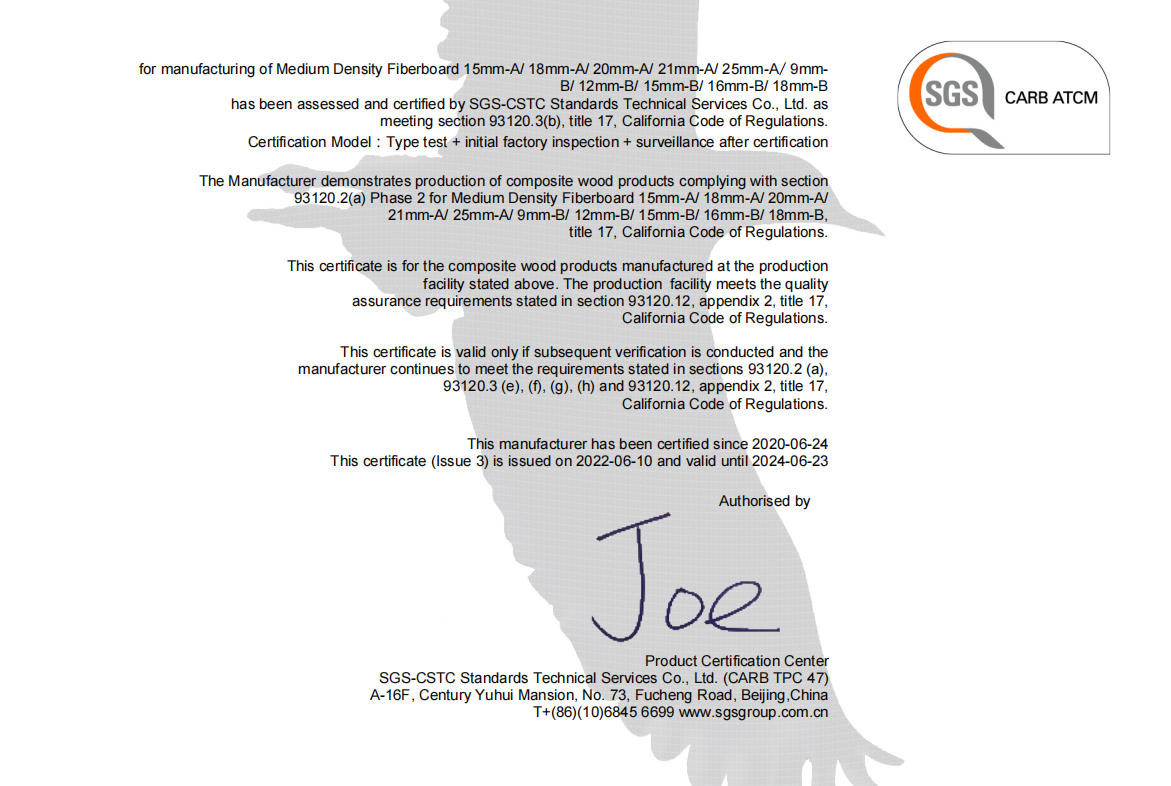
Europe has its own set of standards, primarily E1, E2, and E0 (though E0 is not an official standard but a commonly used industry term for even lower emissions).
| Standard | Region | Material Scope | Formaldehyde Limit (ppm) | Key Requirement |
|---|---|---|---|---|
| CARB P2 / EPA TSCA Title VI | USA | HWPW, PB, MDF | 0.05 (HWPW), 0.09 (PB), 0.11 (MDF) | Third-Party Certification (TPC) |
| E1 | Europe | Wood-based panels | 0.1 | EN 717-1 Testing |
| E0 (Industry Term) | Europe (Voluntary) | Wood-based panels | < 0.05 (typically) | Lower than E1, often for premium products |
REACH (Registration, Evaluation, Authorisation and Restriction of Chemicals) is a European Union regulation that addresses the production and use of chemical substances and their potential impacts on human health and the environment.
FSC (Forest Stewardship Council) certification is a globally recognized standard for responsible forest management. It ensures that wood and wood-based products come from responsibly managed forests that provide environmental, social, and economic benefits. Though it is not mandatory, it increases the value of your brand if the furniture that you import complies with the FSC standard.
Beyond the major environmental standards, several other certifications and requirements are crucial for furniture exports from certain countries.
BIS (Bureau of Indian Standards) certification is mandatory for many products imported into India, including certain types of furniture or furniture components. It ensures products meet Indian safety and quality standards.
Victor’s Expert Opinion: “BIS certification for furniture is a significant hurdle for many Chinese furniture suppliers. It’s not just about product testing; it involves factory audits and a complex application process that many are unfamiliar with. Very few Chinese factories have successfully navigated this, making it a niche capability. If you’re targeting the Indian market, ensure your supplier has proven BIS experience or be prepared for a lengthy and challenging process.”
Fire safety is paramount, especially for upholstered furniture in public spaces or residential settings. Different regions have distinct fire resistance standards.
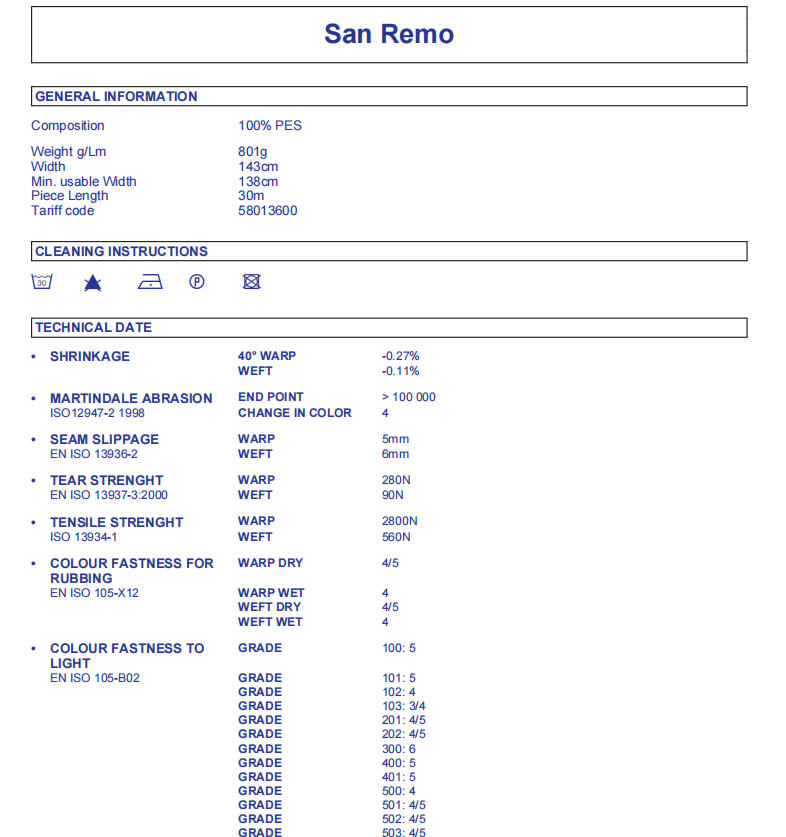
For upholstered furniture, the durability and appearance of fabrics are crucial. These are measured by specific tests:
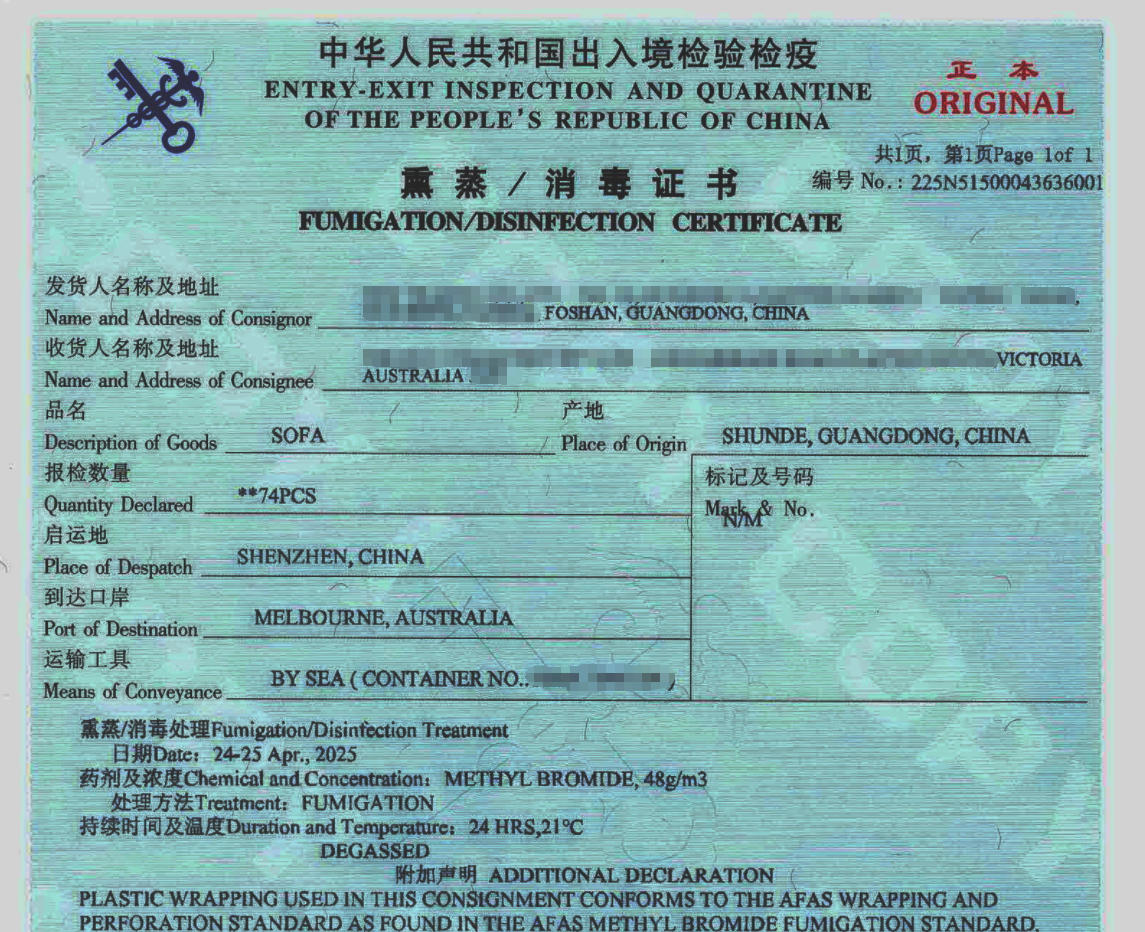
For furniture containing wood or natural plant materials, these certificates are essential to prevent the spread of pests and diseases across international borders. It is especially important for independant continent such as Australia and New Zealand. It’s necessary to have the certificates for customs clearance. You must make sure that your furniture supplier in China or shipping agent can handle the fumigation and issues custom complied certificate. For detailed information. Have a chat with Victor.
Do you have other certs that you’re not clear about? Order a consultation with Victor
At BMS CASA, our 20+ years of export experience working with more than 100 countries have instilled a deep understanding of global quality and compliance requirements. We don’t just meet standards; we integrate them into every stage of our production and sourcing process.
Victor’s Expert Opinion: “For B2B buyers, the cost of non-compliance far outweighs the investment in quality. We’ve seen too many cases where a seemingly cheaper supplier leads to massive headaches—rejections at customs, product recalls, or even lawsuits. At BMS, we view compliance as a non-negotiable foundation. Our goal is to provide peace of mind, knowing your furniture will meet the strictest global standards.”
Adhering to international quality standards is not just about avoiding penalties; it’s a strategic advantage for B2B buyers.
Q1: What is the main difference between CARB P2 and E1 formaldehyde standards?
A1: CARB P2 (and EPA TSCA Title VI) is a US standard primarily for composite wood products (HWPW, PB, MDF) with specific emission limits for each. E1 is a European standard for wood-based panels, with a general limit of 0.1 ppm. While both aim to limit formaldehyde, their testing methods and specific limits differ.
Q2: Is FSC certification mandatory for all furniture imported into Europe?
A2: No, FSC certification is not legally mandatory for all furniture imports into Europe. However, regulations like the EU Timber Regulation (EUTR) require due diligence to ensure timber is legally harvested. FSC provides the strongest assurance of legal and sustainable sourcing, making it highly preferred by many buyers and consumers.
Q3: How can I verify a Chinese supplier’s quality certifications?
A3: Always request original certificates and test reports. For FSC, verify the CoC code on the FSC International Database. For CARB/EPA TSCA, check the EPA’s list of approved Third-Party Certifiers (TPCs). For other certifications, contact the issuing body directly or use a reputable third-party inspection agency for verification.
Q4: What should I do if a supplier claims to meet a standard but cannot provide documentation?
A4: This is a major red flag. Victor advises, “Without proper documentation—certificates, test reports, declarations of conformity—a claim is just a claim. Do not proceed. A reputable supplier will have all necessary paperwork readily available and be transparent about their compliance processes.”
Q5: How does BMS CASA handle new or evolving quality standards?
A5: BMS CASA maintains a dedicated compliance team that continuously monitors global regulatory changes. We proactively update our material sourcing, production processes, and testing protocols to ensure ongoing adherence to all relevant and emerging international standards.
In the dynamic landscape of 2026, navigating China’s furniture quality standards requires diligence, expertise, and a reliable partner. From formaldehyde emissions to chemical restrictions, sustainable sourcing, and fire safety, each standard plays a vital role in ensuring product integrity, market access, and consumer trust.
For B2B buyers, understanding these requirements and partnering with manufacturers like BMS CASA, who prioritize uncompromising quality and compliance, is the cornerstone of successful and sustainable global furniture sourcing. Don’t let regulatory complexities become a barrier; let them be a differentiator.
Ready to ensure your furniture imports meet the highest global quality standards? Contact BMS CASA today for a consultation.
Our furniture come from the minds of BMS' respected designers with more than 30 years' experience in the industry.
Get Free PlansBMS designers would love to add their imaginative but professional ideas to your design selection and customization.
Contact Now
BMS is always here to help you style the furniture you need, your way.
Be the first to get our latest styles and offers.
NO.9 Gegao Road,Gegao Industrial Park,Longjiang Town,Shunde District, Foshan, China
+86-13630170664
director@bms-f.com