Free Customization Solution
Our furniture come from the minds of BMS' respected designers with more than 30 years' experience in the industry.
Get Free Plans
Sourcing furniture from China has evolved far beyond a simple cost-saving exercise. For international B2B buyers, interior designers, and high-end retailers, China now represents a hub of design innovation, advanced manufacturing, and unparalleled customization capabilities. The question is no longer if you can find quality, but how you can effectively navigate the landscape to secure a manufacturing partner that meets the exacting standards of the luxury market.
This guide provides a comprehensive, step-by-step framework for sourcing high-end custom furniture from China in 2026. We will move beyond basic import procedures to cover the critical aspects that define a successful luxury sourcing partnership: material excellence, rigorous quality control, collaborative design development, and supply chain mastery.
The foundation of any successful sourcing strategy is selecting a partner whose capabilities align with high-end market expectations. Mass-market suppliers and high-end custom manufacturers operate on entirely different principles.
|
Criteria |
What to Look For |
Why It Matters for Luxury |
|
Specialization & Portfolio |
A focus on custom, project-based work rather than mass production. Review their portfolio for international hotel, high-end residential, or designer collaboration projects. |
Demonstrates experience with complex requirements, high-quality finishes, and international standards. |
|
Certifications & Compliance |
ISO 9001 (Quality Management), ISO 14001 (Environmental), and material-specific certifications like FSC (for wood) and CARB P2/TSCA Title VI (for boards). |
Provides third-party validation of their commitment to quality, sustainability, and safety—non-negotiable in the luxury segment. |
|
Communication & Expertise |
An English-speaking sales and technical team with deep knowledge of materials, construction, and logistics. They should act as consultants, not just order-takers. |
Ensures your design intent is perfectly understood and executed, preventing costly misinterpretations. |
|
Factory Audit (On-site or Virtual) |
A clean, organized factory floor, dedicated QC stations, a sample development room, and evidence of a structured production workflow. |
A well-organized factory is a direct reflection of a well-managed company capable of producing consistent, high-quality output. |
Expert Insight: “Don’t be swayed by a massive factory floor. For high-end custom work, look for a manufacturer with a dedicated R&D and prototyping department. This is where true craftsmanship and problem-solving capabilities are demonstrated. At BMS Casa, our rapid customization process is built around this principle.”
In luxury furniture, materials are the narrative. A top-tier manufacturer should offer a curated selection of premium, traceable materials and provide expert guidance on their application.
•Wood: Insist on kiln-dried solid wood (e.g., Russian Larch, American Oak) for primary frames to prevent warping. For boards, the standard must be CARB P2 / TSCA Title VI compliant to meet international formaldehyde emission standards.
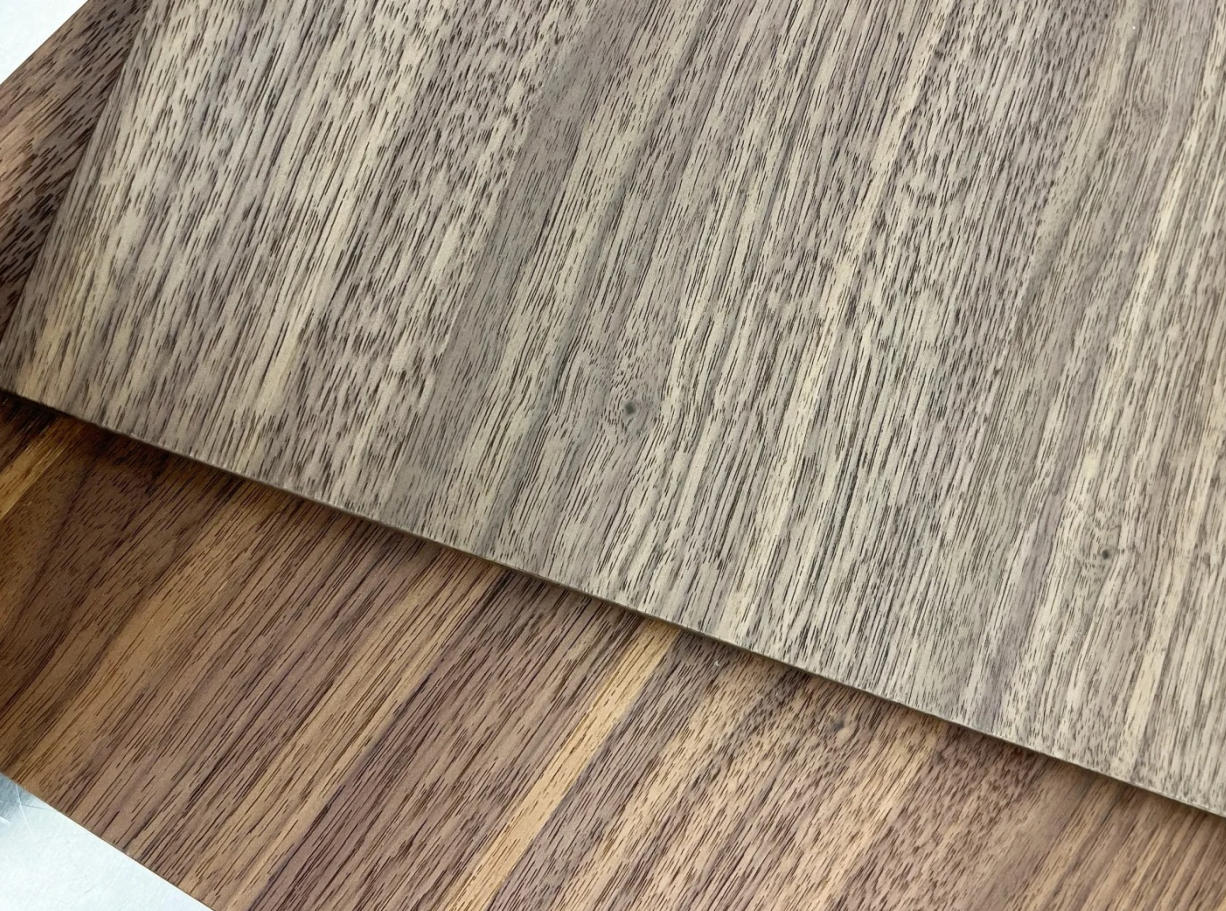
•Metal: High-gauge stainless steel or powder-coated steel should be used for structural components, with clean, precise welds.
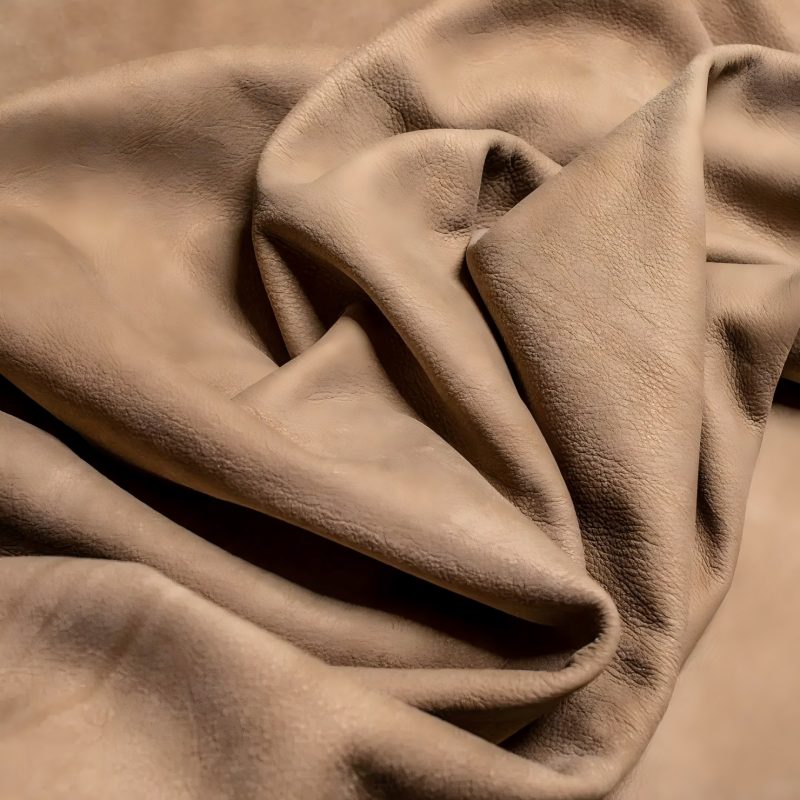
•Leather: Go beyond “genuine leather.” Ask for specifics. Is it full-grain aniline from Italy, known for its soft, natural feel, or a corrected-grain leather better suited for high-traffic areas? A high-end supplier will provide options and explain the trade-offs.
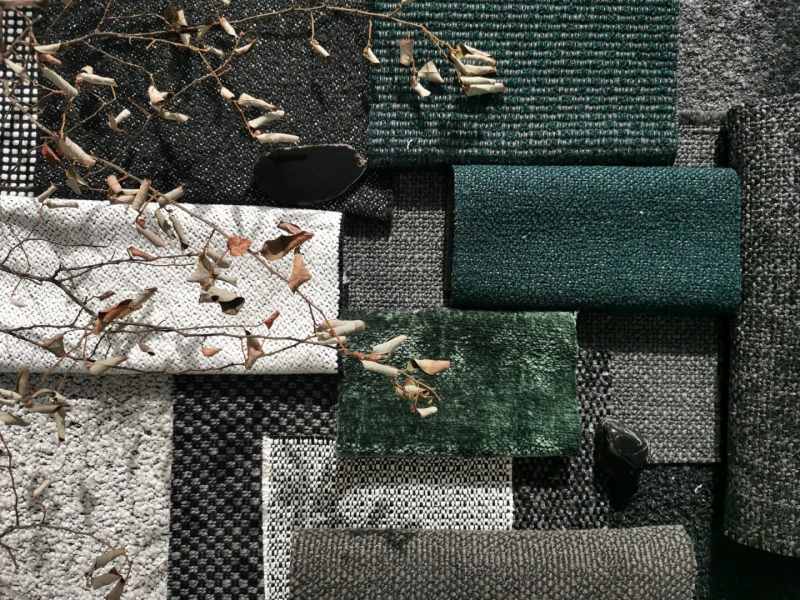
•Fabric: Look for high-performance fabrics with high Martindale rub counts (30,000+ for residential use), and inquire about treatments for stain resistance and fire retardancy (e.g., BS 5852 in the UK).
•Demand high-density, high-resilience foam (35-45 kg/m³) that retains its shape and comfort. Ask if it complies with standards like CertiPUR-US®, which certifies it is made without harmful chemicals.

For high-end furniture, a single final inspection is insufficient. A robust QC process must be integrated at every stage of production.
|
Stage |
QC Focus |
Common Defects to Catch |
|
1. Raw Material Inspection |
Verify material certificates, check for defects in wood (knots, cracks), leather (scars), and fabric (color inconsistency). |
Prevents substandard materials from ever entering the production line. |
|
2. Frame & Pre-Upholstery Inspection |
Check frame for structural integrity, joint stability, and dimensional accuracy against the approved drawings. |
Catches structural flaws before they are hidden by upholstery. |
|
3. During-Production Inspection |
Monitor stitching alignment, foam application, and the first upholstery wrapping. This is a critical checkpoint. |
Corrects craftsmanship errors mid-process, saving time and resources. |
|
4. Final Product & Packaging Inspection |
A comprehensive check of the finished piece for comfort, finish, cleanliness, and function. Inspect packaging for export-worthiness. |
Ensures the final product is flawless and will arrive safely. |
Expert Insight: “Empower your QC process with a detailed Quality Control Checklist that includes photos and tolerances. Share this with your manufacturer before production begins. This creates a clear, shared understanding of your quality standard and holds them accountable.”
Sourcing custom furniture is a collaborative process. Your manufacturer should function as an extension of your design team.
1.Initial Design Submission: Provide detailed drawings, 3D models, and a specification sheet.
2.Shop Drawings & Material Samples: The manufacturer should return detailed shop drawings for your approval, along with physical samples of all specified materials.
3.Prototyping: For new or complex designs, a full-scale prototype is essential. This allows you to test comfort, proportions, and construction before committing to a full order.
4.Feedback & Refinement: Provide clear, consolidated feedback on the prototype. A good partner will work with you to refine the design until it is perfect.
A: For a custom order, a realistic timeline is 8-12 weeks from order confirmation to port delivery. This includes 1-2 weeks for shop drawings/samples, 4-6 weeks for production, and 1-2 weeks for QC and packaging. Rush orders are possible but may compromise quality.
A: Work with a reputable manufacturer who has a history of collaborating with international designers. Sign a Non-Disclosure, Non-Use, and Non-Circumvention (NNN) Agreement that is enforceable in China. Avoid manufacturers who primarily produce replicas.
A: The most common terms are:
•FOB (Free On Board): The manufacturer is responsible for getting the goods to the designated port in China. You are responsible for sea freight, insurance, and import logistics.
•EXW (Ex Works): You are responsible for everything from the factory door, including inland transport in China.
•CIF (Cost, Insurance, and Freight): The manufacturer arranges and pays for shipping and insurance to your destination port. You handle import clearance and final delivery.
For high-end goods, FOB often provides the best balance of cost control and logistical management for the buyer.
A: For experienced buyers with a clear understanding of the process, working directly with a specialized factory like BMS Casa is often more efficient and cost-effective. Sourcing agents can be valuable for new buyers or those managing a wide range of product categories, but they add a layer of communication and cost.
Partner with BMS Casa to leverage our expertise in custom manufacturing, quality control, and global logistics. We are more than a supplier; we are your partner in bringing exceptional furniture to the global market.
Our furniture come from the minds of BMS' respected designers with more than 30 years' experience in the industry.
Get Free PlansBMS designers would love to add their imaginative but professional ideas to your design selection and customization.
Contact Now
BMS is always here to help you style the furniture you need, your way.
Be the first to get our latest styles and offers.
NO.9 Gegao Road,Gegao Industrial Park,Longjiang Town,Shunde District, Foshan, China
+86-13630170664
director@bms-f.com